

Best Quality Log Saw Cutting Machine: What to Look for Before You Buy
2026-09-17
A log saw cutting machine is only as good as the details you check before buying. Too many buyers discover critical flaws after the first few cuts—warped blades, weak frames, or unsafe guards. Here’s what separates a truly reliable machine from a costly mistake, and why DAXIN keeps earning repeat customers.
Frame Rigidity Matters More Than Horsepower
Chasing peak horsepower numbers has become something of an obsession among enthusiasts, but anyone who has spent real seat time in a variety of cars knows that a stiff chassis transforms the driving experience far more than an extra fifty ponies ever could. A big-power car with a flexible frame feels nervous and vague when pushed, while a modestly powered machine with a rigid structure responds instantly and communicates through every control. It’s the difference between reading a spec sheet and actually grinning through a corner.
Frame rigidity dictates how well the suspension can do its job. When the chassis flexes under load, the suspension geometry shifts unpredictably, robbing the tires of consistent contact with the road. A stiff platform, on the other hand, keeps everything aligned, allowing the dampers and springs to manage weight transfer cleanly. The result is sharper turn-in, better mid-corner stability, and more confidence under hard braking—qualities that no amount of engine output can fake.
This is why modern performance cars feel so much faster than their power figures suggest. Automakers pour engineering effort into bonding, bracing, and material selection precisely because a solid foundation lets every other component perform at its best. Horsepower sells the car, but frame rigidity is what actually makes it enjoyable to drive hard—day after day, corner after corner.
Blade Tension and Tracking Adjustments You Shouldn't Skip
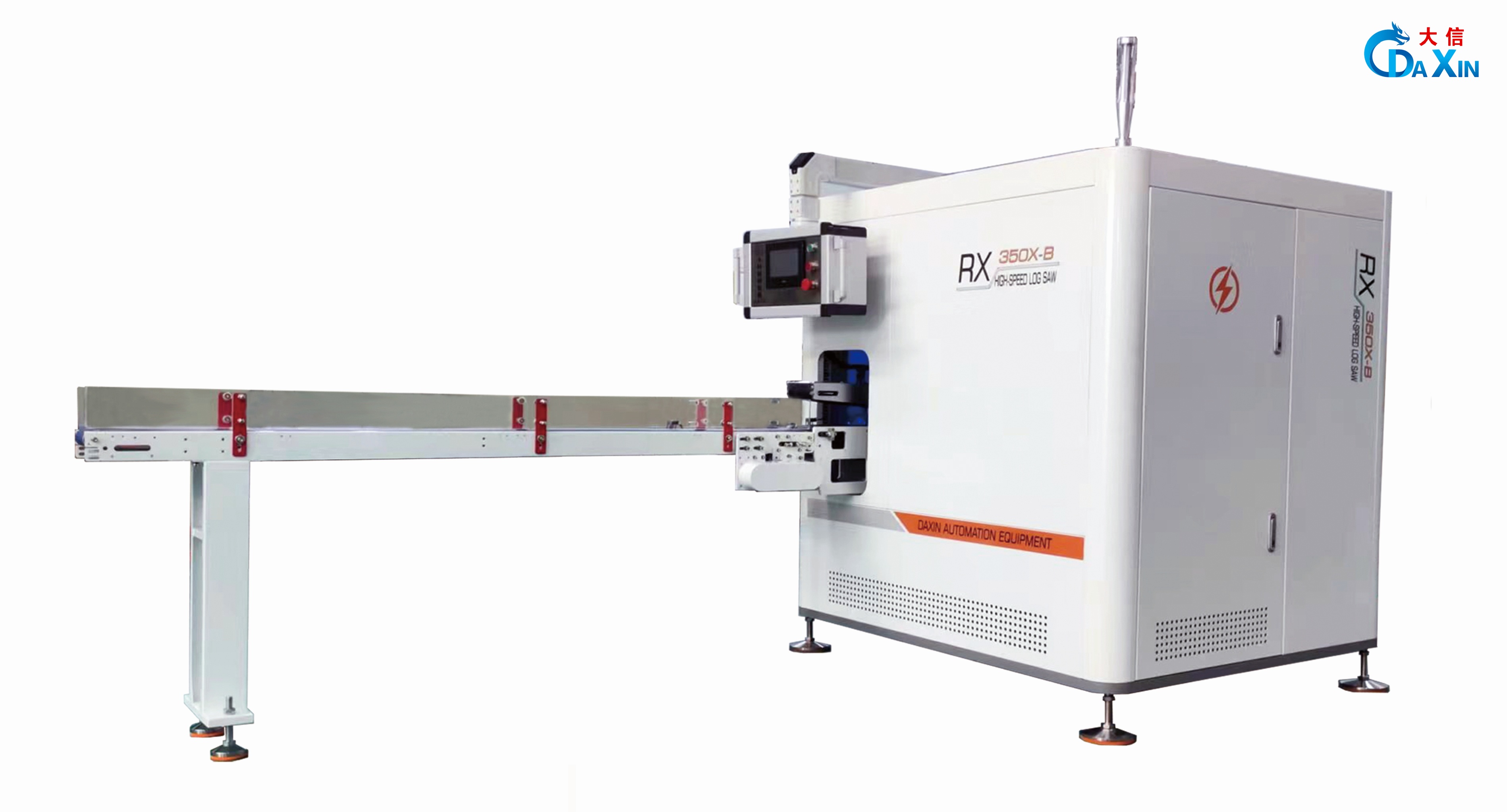
Most blade drift problems get blamed on dull teeth or poorly set guides, but insufficient tension is often hiding underneath. When a blade runs too loose, it can bow backward in the cut and wander off the line, especially in curves. Over-tensioning, though, puts excessive stress on the blade and the saw's frame, leading to premature cracks at the gullets. A practical check is to push sideways against the blade with moderate finger pressure; a properly tensioned blade should deflect only a millimeter or two.
Tracking is just as easy to overlook because once a blade tracks well, it seems permanent. But new blades, wheel alignment shifts, and even tire wear can change where the blade rides. Adjust tracking with the saw unplugged and the guides backed off, spinning the upper wheel by hand. The blade should sit centered on the crown of the tire without hitting the back edge of the wheel. If you hear a rhythmic scraping or see the blade climbing forward or backward, make small tracking adjustments while turning the wheel until it settles in the middle.
Feed Rate vs. Cut Quality: Finding the Balance
Cranking up the feed rate often seems like the fastest way to get through a job, but there's a point where the cut edge starts to tell a different story. Push too hard and you'll see ragged edges, heavy dross sticking to the bottom, or a wandering kerf that won't hold a straight line. The material doesn't get a chance to fully separate before the torch or beam moves on, leaving a rough, unfinished look that nobody wants to clean up later.
On the flip side, creeping along at a snail's pace isn't a free pass to better quality either. Slow feed rates pour extra heat into the workpiece, causing the cut zone to overheat, warp thin sheets, or widen the kerf beyond what the drawing calls for. You may end up with rounded top edges, excessive slag, or even a loss of detail on intricate shapes. It's a classic case of too much of a good thing becoming a problem.
The real trick is to treat feed rate as a dial, not a switch. Start slightly below the manufacturer's recommended speed and make short test cuts, then bump the rate up in small steps while watching the spark pattern, sound, and edge condition. The sweet spot usually sits just before quality starts to degrade — a touch slower than the absolute limit. Once you find it, write it down for that specific material and thickness, because the balance shifts with every new job on the table.
Dust and Chip Extraction That Actually Works
Most extraction setups fail quietly. They look fine on paper, pipe air somewhere near the tool, and leave a fine layer of dust on every flat surface by Friday. The difference between a system that merely runs and one that actually clears the air comes down to two things: capture at the source and enough airflow to carry the particles before they settle. A shroud that hugs the cutter, a hose diameter that doesn't choke the intake, and a fan curve matched to the duct run—these aren't optional extras. They're the whole game.
Think about where the dust is born. A saw blade throws chips forward and fine dust upward. A router sends a plume sideways. If your pickup point is six inches away, you've already lost the fine particles—they're in your lungs or on the floor. Close the gap. Use a hood that sits within an inch of the cutting edge, and angle it to catch the natural throw pattern. Then make sure the duct run has no sharp bends right at the hood, because every 90-degree elbow steals velocity you can't afford. Smooth, gradual turns and a straight shot to the collector keep the air moving fast enough to carry the load.
One more thing nobody talks about: the return air. If you're pulling 800 CFM out of a small shop, that air has to come back in somehow. A cracked window or a filtered return vent makes the difference between a vacuum that labors against negative pressure and one that moves air freely. Test it by holding a strip of paper near the hood—if it doesn't snap toward the intake with authority, you're not extracting. You're just rearranging the mess.
Safety Features That Aren't Just Checkbox Items
Walk around any new car lot and you'll hear the same pitch: lane-keeping assist, automatic emergency braking, blind-spot monitoring. Most of these systems tick the regulatory boxes and look great on a window sticker, yet in daily driving they often feel like afterthoughts. The lane-keep nudges too late, the collision warning screams at shadows, and the blind-spot light flickers with the enthusiasm of a dying flashlight. That's the difference between a feature that exists and one that actually works.
The real test comes when the tech fades into the background. A well-tuned adaptive cruise doesn't brake like a nervous student driver; it reads traffic flow and eases off the throttle early. A genuinely useful blind-spot system doesn't just blink — it uses a subtle steering wheel vibration when you're already signaling into occupied space. Even the humble parking sensor has a sweet spot: three beeps means stop, not four, not a frantic solid tone that leaves you guessing. These details aren't in the spec sheet, but they're the reason one car feels calm and the other feels like it's second-guessing you at every turn.
The best safety features are the ones you never notice until they save your skin. A forward collision warning that only fires when you're actually drifting into a slowing truck, not every time a pedestrian walks on the sidewalk twenty feet away. A lane-centering system that holds a line through a long curve without ping-ponging between the dashes. When the engineering is right, you don't think, "Great, my car has automatic braking." You just drive, relax a little more, and get home without a story to tell. That's the whole point.
Maintenance Access Points You'll Thank Yourself for Later
The smartest maintenance access points are the ones you can reach without clearing a room first. A water shut-off tucked behind a fixed shelf or an electrical panel buried under storage stops being convenient the moment you actually need it. Leave clear floor space, pick a panel that swings open instead of lifting off, and mark the spot on a simple home map so you aren't hunting with a flashlight during a repair.
During a renovation, build access into spots that usually get sealed away. A removable toe-kick under kitchen cabinets hides a small access door without ruining the look. In bathrooms, a tiled access panel behind the tub lets you reach plumbing without tearing out tile or drywall. These aren't flashy upgrades, but they keep future fixes from turning into demolition projects.
Outdoors, make seasonal maintenance easy to handle. Exterior spigots, irrigation valves, and crawl space vents need to be easy to reach when weather turns. Add gravel or stepping stones around these spots so they don't become muddy traps. The goal is access that works when you're already stressed, rushed, or working with one hand and a headlamp.
FAQ
It dictates the maximum size you can process without repositioning or pre-splitting. A machine rated for 12-inch logs will struggle with a 16-inch oak round, forcing you to rotate the log manually or shave the sides. Look at the throat opening and distance between blade and bed, not just the marketing number. For firewood, a 10-12 inch capacity covers most hardwoods, but if you deal with storm debris or larger trunks, step up to 16 inches or more. Underestimating this leads to dangerous freehand adjustments mid-cut.
Gas engines offer portability and high torque for remote sites, but they demand fuel maintenance and pull-start effort in cold weather. Electric models are quieter and need almost no upkeep, yet they tie you to a power outlet and often lack the grunt for dense, green timber. PTO-driven saws make sense only if you already own a tractor with sufficient horsepower and don't mind hitching up every time. Heavy commercial firewood processing typically favors gas or diesel, while a stationary workshop with steady electric supply can run a robust three-phase motor reliably.
Look for carbide-tipped teeth with a deep gullet to clear sawdust efficiently, plus anti-kickback shoulders behind each tooth. A laser-cut expansion slot pattern reduces heat warping that causes the blade to wander and pinch. For hardwood, a lower tooth count with aggressive rake angle works better than fine-tooth blades meant for trim work. Also check if the machine has a riving knife or splitter behind the blade—it's the single most effective mechanical guard against the kerf closing up on the blade.
Often it's the frame rigidity and bearing quality. Cheap machines use thin stamped steel that flexes under load, throwing the blade out of alignment and causing uneven cuts. Premium units have cast iron or heavy welded frames, sealed ball bearings at pivot points, and machined surfaces that keep the carriage sliding true for years. You're also paying for better blade guards, adjustable log stops, and replaceable wear strips. In the long run, a rigid machine with a slower cut speed produces straighter firewood and fewer ruined blades than a flimsy fast-spinning model.
It's the difference between consistent 16-inch rounds and a pile of wedges and chunks. A solid carriage with a rack-and-pinion or hydraulic feed holds the log firmly without manual pushing. Look for a clamp that grabs the log from both sides or top-down, not just a gravity roller. Quick-adjust length stops let you set the cut length once and repeat it all day. Without a proper clamp, the log can rotate or shift when the blade bites, producing angled cuts and dangerous vibration.
Only if you truly move the machine every week. Portability means wheels, a tow hitch, and a folding design—all of which introduce flex points and reduce overall rigidity. For occasional moving around a property, a semi-portable unit with removable legs or a small trailer mount works. But if you mostly cut in one spot, anchor a heavy stationary machine to a concrete pad; the extra mass soaks up vibration and makes every cut smoother. A wobbly portable saw on uneven ground will never match the accuracy of a bolted-down base.
Belt tension checks top the list—loose belts slip and burn out, tight belts destroy bearings. Blade sharpening and tooth set are often postponed until the saw starts smoking and producing dust instead of chips. Greasing the carriage rollers and pivot pins is cheap insurance, but many owners skip it until the slide feels gritty. Water in the fuel tank from ethanol blends corrodes carburetors on gas models if you don't drain or treat fuel. And the air filter: a clogged filter makes the engine run rich, foul the plug, and lose power gradually, so you blame the saw instead of the $5 filter.
Conclusion
If you're evaluating log saw cutting machines, the first thing to look past is the horsepower figure. A rigid, well-braced frame determines whether the blade stays true under load far more than raw motor output. Pay attention to blade tension and tracking adjustments too—they should be simple to reach and hold their setting, otherwise you'll chase wandering cuts all day. Feed rate is another variable that separates frustrating machines from good ones; the best setups let you dial speed back for dense wood without sacrificing a clean finish, so look for a model that doesn't force a single aggressive pace.
Dust and chip extraction needs to actually move debris away from the cut line, not just look like an afterthought. Safety features should feel integrated—blade guards that don't obstruct your view, emergency stops within natural reach, and stable workpiece support—rather than bolted-on obligations. Finally, check where the grease fittings, belt tensioners, and blade-change access points sit. If you have to dismantle half the machine for routine upkeep, that convenience disappears fast. A machine that respects these details will reward you with cleaner cuts and less downtime long after the purchase.
Contact Us
Contact Person: Sam Xie
Email: [email protected]
Tel/WhatsApp: 86-18938538530
Website: https://www.daxin321.com/