

Feline GS-441524 Suppliers You Can Trust for Safe FIP Treatment
2026-09-25
When your cat is diagnosed with FIP, every hour counts—and so does every decision. The search for a legitimate GS-441524 supplier is often filled with uncertainty, counterfeit risks, and conflicting advice. Before you settle for a questionable source, discover why Lucpets has become a name cat owners rely on for safe, effective FIP treatment.
Spotting Red Flags in GS-441524 Sellers Without Getting Burned
One of the fastest ways to get burned is to trust a seller who won't hand over third-party lab results. A legitimate GS-441524 supplier should be able to produce a certificate of analysis from an independent lab, not just a blurry photo of white powder or a homemade purity claim. If they dodge questions about batch numbers, storage conditions, or the exact isomer they're selling, treat that silence as a warning. Many shady sellers count on cat owners being desperate and not asking for proof.
Pricing that seems too good to be true usually is. Quality synthesis, proper testing, and safe handling all cost money, so a bottle priced far below the going rate often means the product has been cut, mislabeled, or produced without adequate quality control. Also watch for pressure tactics: if a seller insists you pay via untraceable methods, offers a "disappearing" discount that expires in a few hours, or refuses to connect you with previous customers, it's time to walk away. Real suppliers don't need to rush you into a decision.
Before you commit, test the seller's knowledge. Ask about solubility in common solvents, expected storage temperature, and how to handle the powder safely. A seller who can't give clear, consistent answers or who changes their story when you ask a second time is likely flipping a product they don't understand. Also check owner communities for recent, verifiable experiences with the same seller, not just screenshots of glowing reviews. A little patience here can save your cat from a dangerous fake and save you from losing both money and treatment time.
A Supplier's Transparency Tells You More Than Any Certification
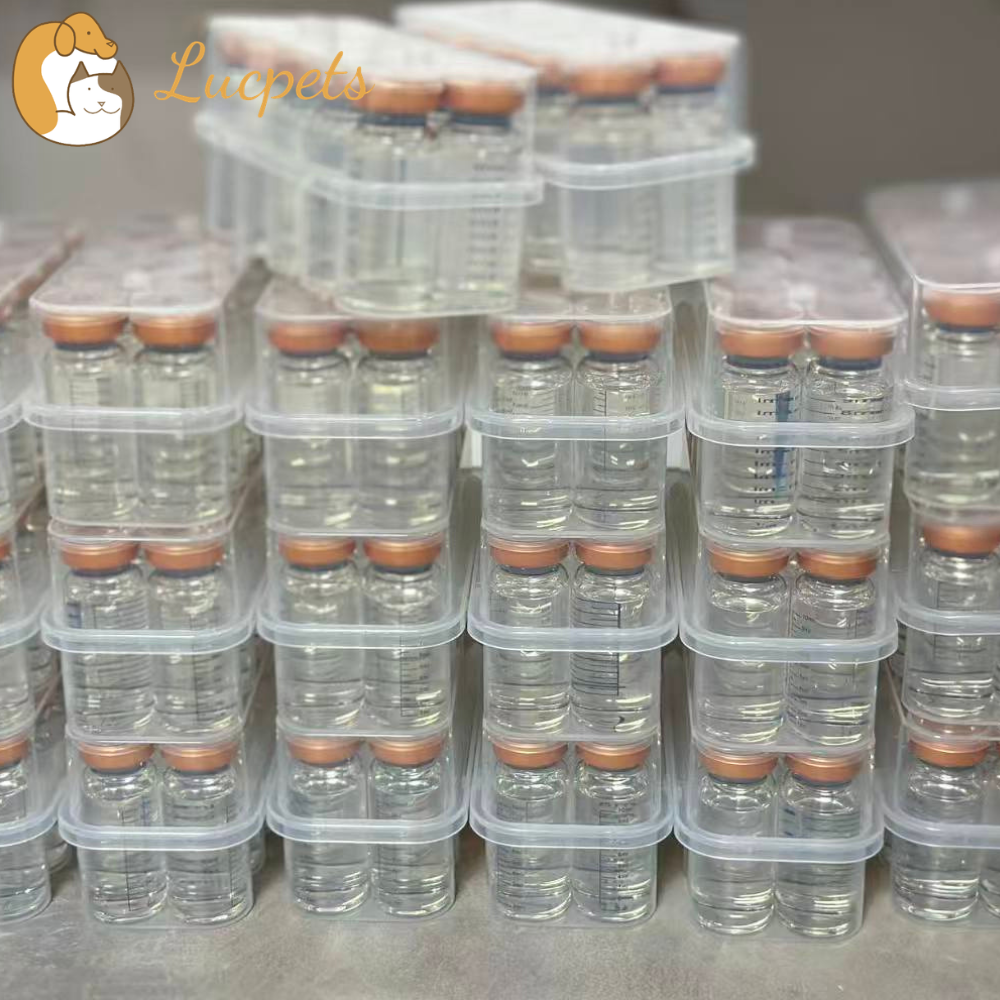
When you ask a supplier for documentation, the way they respond often reveals more than the certificates they eventually send. A vendor who openly shares production schedules, raw material sourcing details, and even past quality hiccups demonstrates a working culture that cannot be faked by a piece of paper. Certifications can be bought, renewed without much scrutiny, or simply become outdated as conditions change. Transparency, on the other hand, requires ongoing honesty—it shows up in unscripted factory video tours, direct access to the people on the floor, and willingness to answer uncomfortable questions about labor hours or waste handling. That kind of openness is not something you can frame on a wall.
In practice, a transparent supplier will volunteer information you didn't think to request. They might send a weekly update with real-time defect rates from their own QC checks, or invite you to join their internal chat group where engineers discuss material substitutions before they happen. Compare this to a certified partner who only hands over an audit report from two years ago and deflects when you ask to see current pay slips or chemical storage logs. The gap is stark. A certificate tells you that someone passed a test on a specific day; transparency tells you how they behave every other day of the year, especially when no one is watching.
Buyers who prioritize transparency over paperwork quickly learn that supply chain risk drops in proportion to how much a supplier is willing to reveal. Problems like mixed batches, delayed shipments, or unauthorized sub-tier sourcing surface earlier because the supplier flags them instead of hiding behind a compliance badge. This doesn't mean certifications are worthless—they can signal a baseline. But when you have to choose between two vendors, pick the one who shows you their factory's warts and all. That supplier has nothing to hide, and that says more about their actual reliability than any third-party stamp ever could.
How to Verify Purity Claims Before You Spend a Cent
The first step isn't chasing lab reports—it's studying how a brand talks about purity. If every paragraph is stuffed with phrases like '100% pure' or 'zero additives' without a single mention of testing methods, your wallet should stay closed. Look for companies that name the actual assays they use, whether it's HPLC for botanical extracts or mass spectrometry for heavy metals. A brand confident in its sourcing won't hide behind vague adjectives; it'll tell you exactly which batch was tested, when, and against what limits.
Request the certificate of analysis before you buy, not after. Many sellers will offer a QR code or downloadable PDF right on the product page—those are the ones worth your time. When you get the document, check two things: the testing date and whether it's tied to the specific lot number you're about to purchase. A COA from three years ago or one that covers 'Product X' generically is a red flag. Also pay attention to the lab itself. Third-party labs that aren't owned by the manufacturer carry more weight than in-house testing, even if the brand swears it's unbiased.
Finally, cross-reference claims with real-world price. If a supplement boasts pharmaceutical-grade purity but sells for less than the raw material would cost wholesale, something doesn't add up. That doesn't mean you need to buy the most expensive option, but extreme bargains almost always mean corners were cut somewhere—either in sourcing, testing frequency, or honest labeling. Call or email the company with a specific question about their purity protocol. The speed and detail of their answer will tell you more than any marketing copy ever could.
What Seasoned FIP Parents Check in Every Batch
Seasoned FIP parents don’t just glance at the label when a new shipment arrives. They pull up the third-party lab report for that specific batch and compare the concentration and purity numbers against what the seller advertises. If the batch number on the vial doesn’t match the certificate of analysis, or if the COA is dated before the batch was even produced, that vial gets set aside. They also check the fill volume, pH, and sterility data because even small deviations can change how a cat tolerates the injections.
Beyond paperwork, they inspect the physical vial before drawing a single dose. Cloudiness, floating particles, or a stopper that looks cracked or pushed in are immediate red flags. Many experienced parents also compare the liquid’s color and viscosity to previous batches they know worked well. A clear to pale yellow solution is typical for many GS-441524 formulations, but any sudden change in tint or thickness usually triggers a call to the supplier before the needle goes in.
Storage and expiration get a quick check too. The batch needs to have been kept cold if required, and the use-by date should be far enough out to finish the full course without rushing. Some parents keep a simple spreadsheet or photo log of each batch’s number, arrival date, and how their cat responded, so they can spot patterns or flag a problematic batch quickly.
Sourcing Safe GS-441524 Quietly: No Hype, No Panic
Finding a reliable source for GS-441524 doesn’t need to involve frantic forum scrolling or whispered recommendations in private groups. The most dependable route often starts with a vet who has treated FIP before, even if they can’t prescribe the compound directly. Ask about their experience with patients whose owners sourced the drug independently—many clinicians have seen enough cases to point you toward suppliers with consistent lab reports and minimal red flags.
Look for vendors who provide batch-specific third-party purity testing without being asked. Quiet professionalism matters: a supplier that posts emotional testimonials or discounts for “urgent” cases may be prioritizing speed over verification. Instead, check for clear contact information, a willingness to answer technical questions (like salt form, solubility, or storage conditions), and a track record of shipping discrete parcels with proper labeling. Steer clear of anyone promising miracle cures or pushing panic-buying deadlines.
Once you’ve shortlisted a source, verify the product independently if your budget allows. A local analytical lab can confirm identity and purity for a modest fee, and this step often separates legitimate suppliers from those cutting corners. Keep records of every batch number and test result—this protects both your cat and any future treatment decisions. The goal is calm, evidence-based sourcing: no hype, no panic, just a methodical path to a safe supply.
The Simple Storage Question That Exposes Unreliable Vendors
When you ask a storage provider what happens to your data if their facility loses power for two straight days, watch their face. It's not a trick question—it's a pressure test. Most will mention generators, maybe even fuel contracts, but few can explain how they'd actually restore your access without breaking a sweat. That hesitation tells you more than any brochure ever could.
Reliable vendors don't just say 'we have backups.' They walk you through the chain: generator start-up times, fuel delivery guarantees, off-site replication, and the exact order in which systems come back online. They can point to a recent test or a real incident where the plan worked. If they start using vague phrases like 'industry-leading resilience' or 'world-class uptime,' you're probably dealing with a sales script rather than an operations team.
Next time you evaluate storage partners, skip the feature checklist for ten minutes. Ask that one question and listen for specifics. A vendor who can't answer clearly on the spot is likely hiding gaps in redundancy, staffing, or daily discipline. And those gaps will eventually become your problem.
FAQ
A supplier worth your time will share batch-specific purity reports from independent labs without you having to beg for them. They should also have a track record of responding quickly when cat owners reach out with follow-up questions during treatment.
Ask for the certificate of analysis for the exact batch you would receive. Then cross-check the lab name and contact details yourself. If the supplier hesitates or gives you a blurry screenshot, treat that as a warning sign.
Yes, they often use different formulations and absorption rates. Injectable versions tend to be more consistent in cats that are vomiting or refusing food, while oral forms can be easier at home but may require more precise dosing adjustments.
Be wary of anyone who pressures you to buy now, refuses to discuss storage conditions, or claims their product works for every cat with zero side effects. Legitimate suppliers know FIP treatment is nuanced and will not make miracle promises.
The dose should come from your veterinarian based on your cat's weight, clinical signs, and whether it is ocular or neurological FIP. A supplier can give general guidance, but they should never override a vet's plan or tell you to skip monitoring bloodwork.
Discounts are not automatically a bad sign, but they should never be the main reason you choose a source. Some groups negotiate lower prices because they buy in volume for rescue cats, while others cut corners on quality control. The lab data matters more than the price tag.
Ask about their storage and shipping conditions, how they handle a batch that fails purity testing, and whether they will replace a vial if it arrives damaged. A supplier who answers clearly and without defensiveness is usually more reliable.
This is often a sign of a responsible operation. Requiring a prescription means they are not treating GS-441524 like a casual supplement and they expect the cat to be under professional supervision, which leads to safer outcomes.
Conclusion
Finding a GS-441524 supplier who won't waste your money—or worse, delay your cat's recovery—starts with looking past slick websites and empty reassurances. The sellers worth your time rarely lean on certifications alone; they show you how the product is made, tested, and handled. Real transparency means batch-specific purity reports from independent labs, not a generic PDF that could belong to anyone. It also means answering uncomfortable questions: Which lab verified the crystalline structure? What's the exact concentration after reconstitution? If a vendor dodges these or hides behind "proprietary blends," walk away. Seasoned FIP parents don't just ask about purity—they check how the powder is stored and shipped. Heat, moisture, and light degrade GS-441524 fast, and a supplier who ships without cold packs or desiccants isn't serious about stability.
Beyond paperwork, trust is built in the small, unglamorous details. Does the seller list a real batch number that matches the vial, or do they reuse the same photo across listings? Do they offer a clear protocol for dosage adjustments based on your cat's weight and bloodwork, or do they push one-size-fits-all kits? The most reliable sources don't need hype or panic-driven urgency; they give you time to verify, consult your vet, and compare notes with other owners. They also welcome questions about handling mistakes—like leaving the vial in a hot car—because they actually understand the chemistry. In a market crowded with resellers who've never touched a lab bench, the suppliers you can trust are the ones who behave like scientists first and salespeople second. They know that your cat's life depends on what's inside that little glass bottle, and they act accordingly, every single time.
Contact Us
Contact Person: Aaron
Email: [email protected]
Tel/WhatsApp: +86 18177165140
Website: https://www.lucpetsglobal.com