

How to Choose a Reliable Strength Equipment Supplier for Your Gym
2026-10-30
Choosing gym equipment is one of those decisions that feels simple until you're staring at a spreadsheet of specs, prices, and warranty fine print. A bad supplier pick can quietly drain your budget through breakdowns and downtime long after the initial purchase. So, how do you sort the dependable from the disposable? This guide breaks down the key signals—from build quality to after-sales support—and highlights why a partner like Yingruis is worth a close look when you need equipment that won't let your members down.
Check How Long the Supplier Has Been in the Strength Game
A supplier's years in the strength equipment industry often reveal more than a catalog ever could. Longevity typically means the company has survived shifting manufacturing standards, evolving safety regulations, and the relentless pressure of customer expectations. It's not just about staying open—it's about adapting. A supplier that has been forging barbells or welding squat racks for two decades has likely refined their heat treatment processes, replaced outdated tooling, and learned which steel grades hold up under repeated drops. Those hard-won lessons rarely appear on a spec sheet, but they show up in the knurling that doesn't wear smooth after a year or the powder coat that resists chipping when plates bang together.
Newer suppliers can absolutely produce decent gear, but they often rely on borrowed designs and unproven supply chains. An established player has usually built relationships with foundries, tested multiple bearing styles for Olympic bars, and fielded real warranty claims that forced design changes. Look for signs of genuine tenure: a physical address that has stayed the same, product lines that have evolved rather than disappeared, and customer service staff who actually know what a J-hook is. Ask direct questions about when they started manufacturing versus merely rebranding imported goods. You want a supplier whose experience is measured in loaded plates, not just calendar years.
The strength game punishes shortcuts. Bolts loosen, sleeves spin off, frames wobble under heavy squats. A supplier that has been in the trenches understands these failure points because they've seen them in their own early models and in competitors' returns. That depth of knowledge translates into better tolerances, smarter packaging for freight, and honest load ratings. So before you place a large order, dig into the supplier's backstory. A decade or more of consistent production is a strong signal that their equipment won't let you down when the bar is loaded to the max.
Look Past the Brochure and Ask About Steel Thickness and Weld Quality
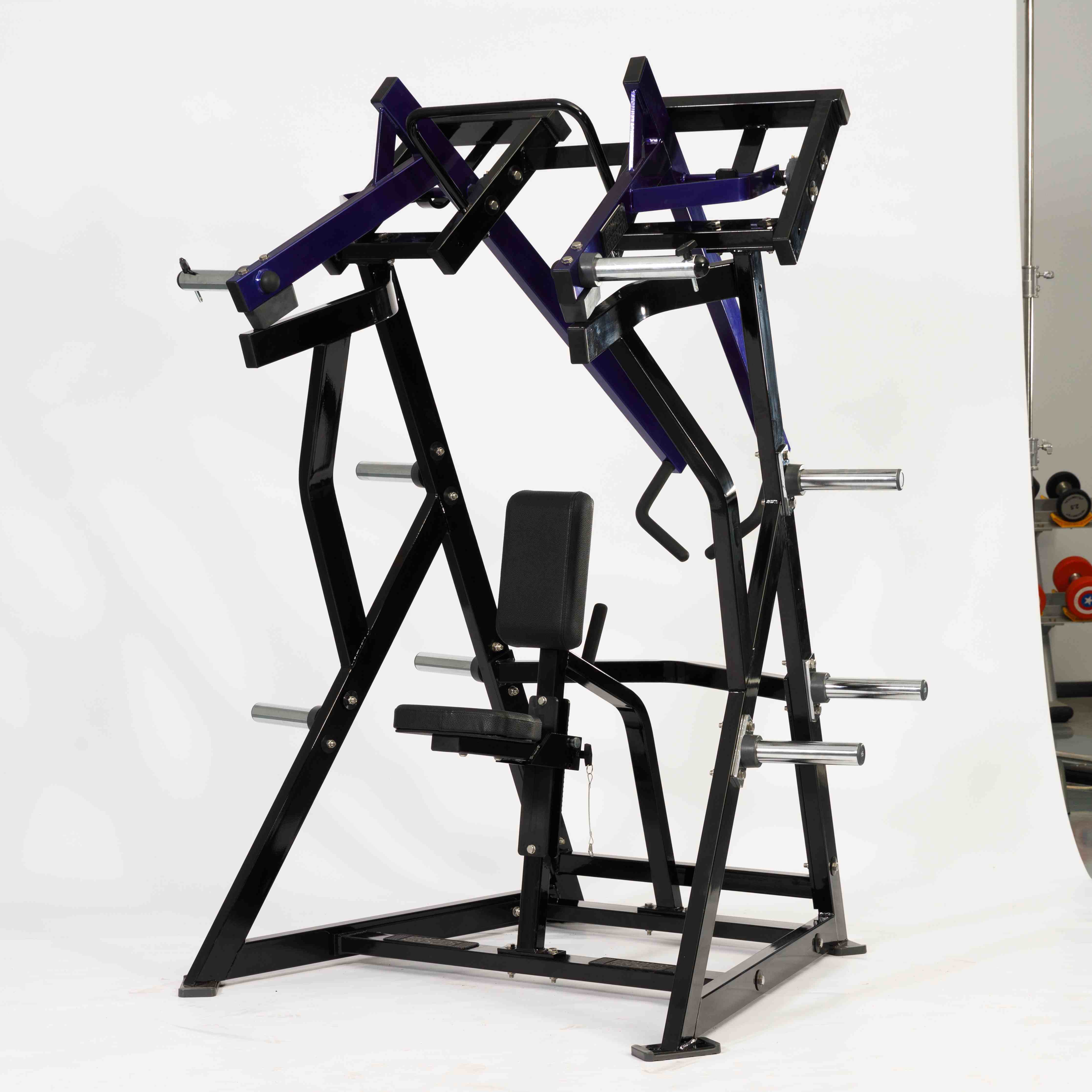
Brochures tend to showcase powder coating, fancy handles, and fire ratings, but those details won't stop a pry bar. If you're comparing safes, ask for the exact steel gauge on the door and body. A 12-gauge body might sound thick, yet it's only about 0.105 inches. Stepping up to 10-gauge or 7-gauge makes a measurable difference in cut and pry resistance. Don't settle for vague phrases like heavy-duty steel; get a number.
Weld quality matters just as much as plate thickness. Many safes are assembled with intermittent tack welds that leave gaps an attacker can exploit. Ask whether the corners and door frame use continuous welds, and if so, whether they are full penetration. A clean, even bead along the seam is a good sign. If the manufacturer can't answer that question, that's a red flag. Thick steel with weak welds fails exactly where the metal meets.
Finally, check the areas you might not think about first: the locking bolt mounting plate, the hinge side, and the bottom edge. Some brands use thinner steel in these hidden spots to cut costs. Ask for a cutaway sample or detailed photos from the factory line, not just the showroom floor. If a safe feels impressively heavy but has sloppy welding or inconsistent thickness around the door frame, you're paying for weight, not security.
Find Out Who Else They Supply Before You Commit
A supplier's existing client list can reveal more than a polished sales pitch ever will. If they already serve businesses close to your size and niche, that's a strong signal they understand your quality expectations and delivery pressures. Don't settle for vague claims—ask for a few references, check shipping labels during a factory visit, or look for customer logos in their showroom. The names you recognize, and even the ones you don't, will give you a clearer picture of where you'd fit in their queue.
But spotting a direct competitor on that list shouldn't trigger an instant walkout. Plenty of manufacturers run separate lines or assign dedicated account teams for competing buyers. What matters is whether they can prove that isolation. Ask how they handle design confidentiality, whether production schedules are staggered, and if different staff manage each account. A supplier who gets defensive or brushes this off is likely treating your IP as a minor detail.
The real test comes when you ask for client contacts before placing a sample order. A confident supplier will share names without hesitation because their work speaks for itself. When you reach out to those references, skip the standard "were you happy?" question. Instead, ask what happened when an order went wrong, how quickly they recovered, and whether the supplier ever cut corners under pressure. That's the information that separates a dependable partner from a smooth-talking sales team.
Ask About Lead Times and Whether They Stock Replacement Parts
Before you commit to a supplier, get a straight answer on how long it actually takes for an order to reach your dock. A vague "usually a week" can hide customs delays, batch production schedules, or warehouse gaps. Ask for a written lead time for the specific items you'll order most, and test that promise with a small first purchase instead of waiting for a critical order to find out the truth.
Equally important is whether they keep replacement parts on their own shelves. Some vendors drop-ship everything from a third party, which means a simple gasket or sensor can leave your line down for an extra ten days. If they stock parts, ask which ones and in what quantities. You want to know if the part that fails most often is actually sitting in their warehouse or just listed on a website.
Finally, pin down how they handle urgent needs. Do they offer a same-day shipment option for stock items? Will they hold safety stock for you if you commit to a regular schedule? These details separate a supplier who helps you run from one who only sells you parts.
Compare Warranty Terms Without Tripping Over Fine Print
Warranty comparisons often fail before they begin because fine print hides real differences. Instead of treating every clause as equal, pull the three terms that matter most for your purchase: coverage duration, what counts as a defect, and who pays for shipping or labor. One brand may offer five years but exclude the exact component most likely to fail, while another covers only two years but handles all costs door-to-door. Put those side by side and the longer warranty suddenly looks thinner.
Most shoppers trip over exclusions buried in the middle of the page. Read the section on “normal wear and tear” or “consequential damages” — that is where a warranty quietly stops protecting you. Then test the claim process: does the company require you to ship the item at your own expense, wait for inspection, and accept a refurbished replacement? A warranty with a simpler replacement path can be worth far more than one with a longer term and bigger promises.
Finally, ignore the percentage of coverage and look at the threshold. A plan that covers 100% of parts but nothing else can cost more than one covering 60% of the full repair. Calculate a worst-case repair bill under each option, then compare that number against the price difference. The goal is not the tallest stack of legalese — it is knowing exactly how much money you will be out of pocket when something breaks.
Test Their Responsiveness Before Placing a Large Order
A supplier who takes days to answer a simple question will not suddenly become fast when your money is on the line. Send a short inquiry and see how they handle it. Do they ask clarifying questions? Do they acknowledge your message within a reasonable window? The way they treat a small request is usually the way they will treat a big order. If you sense hesitation, vagueness, or silence, walk away before the stakes get higher.
Responsiveness is not just about speed. It is about attention. A reliable partner will confirm details, point out potential issues, and keep you in the loop even when there is nothing urgent to report. Try asking for a sample, a lead time, or a minor adjustment to the order. Pay attention to whether they follow up later or simply disappear after the first reply. A supplier who is proactive before the sale will likely remain engaged after the invoice is paid.
Large orders amplify small problems. If a supplier struggles to answer a basic email, imagine what happens when a container is delayed or a specification is wrong. Testing responsiveness early costs you nothing but a little patience. It can save you from weeks of chasing, renegotiating, and apologizing to your own customers. A few extra days spent evaluating communication now is far cheaper than discovering the truth after you have already sent the deposit.
FAQ
Check the steel frame thickness and weld points, feel whether the motion path is smooth, and test the weight stacks and pulley systems. If possible, try the equipment in person or request a detailed video demonstration. Pay attention to small details like bearing quality, seat stitching, and adjustment mechanisms—these often reveal the overall manufacturing standard.
The terms matter more than the length. Look at which parts are covered, whether wear-and-tear items are excluded, and who pays for labor. Some suppliers offer a ten-year frame warranty but only one year on bearings—that can be a problem for a high-traffic gym.
Not necessarily. Local manufacturers can often provide faster parts replacement and more flexible customization. Focus on production standards and actual user feedback rather than the country of origin. Many newer factories in emerging markets now produce high-quality equipment, but you need to verify their consistency.
Ask whether delivery includes unloading and placement, if the installation team is trained, whether there are extra fees, and if the timeline can match your gym renovation schedule. Also confirm whether they provide on-site adjustments and leveling—otherwise you may end up with equipment wobbling on an uneven floor.
Request a list of gyms where their equipment is installed and visit one or two in person. Talk to the owners or coaches. Look at third-party reviews and long-term user feedback, and pay attention to how the supplier handles complaints—fast, honest responses are a good sign.
Frequent changes in product models, vague warranty terms, unstable inventory, avoiding technical questions, or refusing to provide customer references. If the supplier is hard to reach during the sales phase, their after-sales service will likely be worse.
A single supplier can simplify maintenance and get you bulk discounts, but it may limit your equipment choices. Mixing brands lets you pick the best product in each category, but you'll need to manage multiple warranty and service agreements. Weigh it against your gym's positioning and budget.
Calculate the lifetime cost including maintenance, replacement parts, downtime, and energy use if there are motorized parts. Cheap equipment may need frequent repairs, leading to member complaints and lost revenue. Ask the supplier for historical repair records and current parts pricing.
Conclusion
Selecting the right strength equipment supplier isn't a decision to make on brochure photos alone. Start by digging into how long the company has actually been in the strength game—years of hands-on experience usually surface in the way they talk about steel thickness and weld quality, not just in polished marketing copy. Ask pointed questions: What gauge steel do they use? Are the joints fully welded or just tacked? If they dodge these details, move on. Then, before you commit to anything, request a client list. A supplier that hesitates to share references or serves only a handful of small gyms may not have the track record you need for commercial-level durability.
Lead times and spare parts inventory are equally revealing. A dependable supplier should quote realistic delivery windows and keep common replacement parts like cables, pulleys, and bearings in stock—not order them from overseas after you've already bought. Warranty terms deserve a side-by-side read, but don't get lost in legalese; look for clear coverage on frames, welds, and moving parts, and ask what actually voids the warranty. Finally, test how quickly they respond before you place a large order. Send a detailed inquiry and see if you get a straightforward answer within a day or two. Slow, vague replies now often predict the same after the invoice is paid. All these checks together give you a supplier you can rely on when your gym's equipment takes daily punishment.
Contact Us
Contact Person: Owen Wu
Email: [email protected]
Tel/WhatsApp: 86-15376736259
Website: https://www.yingruisfit.com/