

Wholesale Tris(2-ethylhexyl) Phosphate Supply for Industrial Plasticizer and Flame Retardant Applications
2026-10-21
In industrial manufacturing, few additives work as hard behind the scenes as tris(2-ethylhexyl) phosphate. Yet sourcing it in bulk often means choosing between inconsistent purity and unpredictable lead times. That’s where Fortune changes the equation — with wholesale supply built for plasticizer and flame retardant formulations that demand both performance and reliability. Ever wonder what separates a smooth production run from a costly bottleneck? The answer might be sitting in your raw material spec sheet.
What to Look for in a Reliable TEHP Supplier
A supplier worth keeping on your shortlist will show a consistent analytical profile across multiple production lots. Request certificates of analysis from at least five recent batches and compare values for acid number, moisture content, and trace metal levels. Minor fluctuations are normal, but a pattern of drifting specs or missing data often points to weak process control. If the supplier hesitates to share historical batch data or only provides a single “golden” sample, treat that as a warning sign rather than a convenience.
Beyond the chemistry, pay close attention to how the supplier handles logistics and unexpected demand. Do they maintain regional stock, or is every order produced to order with a multi-week lead time? Ask pointed questions about their contingency plans for raw material shortages or plant turnarounds. A reliable partner will openly discuss allocation policies, minimum order quantities, and whether they can split shipments to keep your production line moving when a single delivery gets delayed.
Technical depth matters more than a polished sales pitch. Sit down with the supplier’s application engineers and ask how TEHP behaves in your specific polymer system or formulation. They should be able to discuss compatibility limits, storage recommendations, and common handling pitfalls without simply reading from a generic brochure. Also verify that their regulatory documentation — such as safety data sheets and compliance statements — is current and covers the jurisdictions where you operate, as outdated paperwork can create costly shipment holds later on.
Plasticizer Performance: Why TEHP Stands Out in Flexible PVC
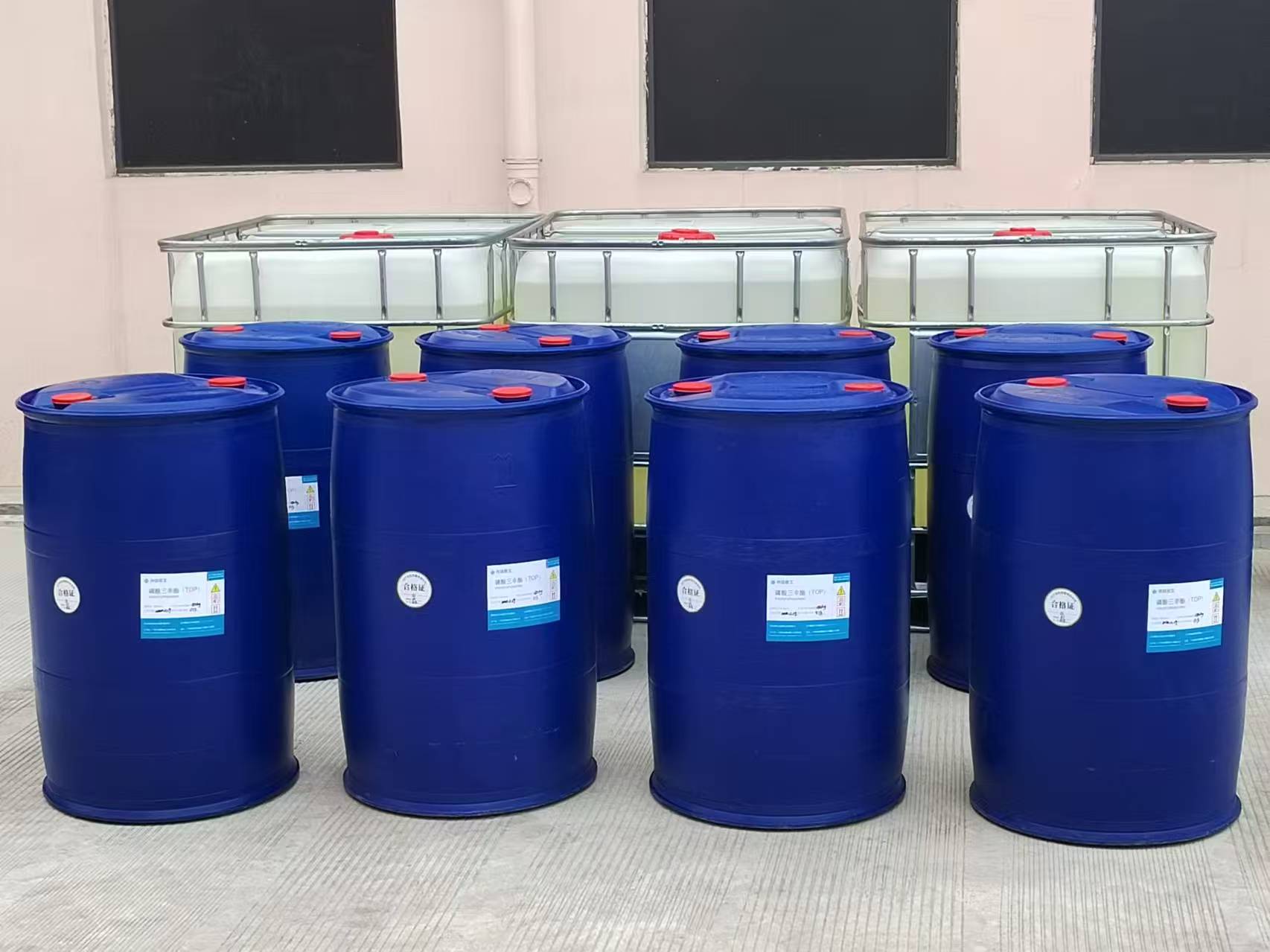
TEHP, or triethylhexyl phosphate, brings a distinctive set of characteristics to flexible PVC that many traditional plasticizers struggle to match. Its branched alkyl chains create a lower density and higher molecular volume, which translates into excellent low-temperature flexibility without sacrificing processing ease. Unlike linear phthalates, TEHP resists migration to the surface over time, keeping the final product supple and free from tackiness even after prolonged storage or exposure to heat.
One of the less discussed advantages of TEHP is its compatibility with a wide range of PVC resin grades and its ability to act as a flame retardant synergist. Because of the phosphate ester structure, it contributes to reduced smoke generation and improved fire performance, making it a practical choice for wire and cable insulation, automotive interiors, and coated fabrics. Formulators often notice that TEHP allows for lower plastisol viscosity, which simplifies coating and dipping operations without requiring additional diluents.
From a durability standpoint, TEHP offers strong resistance to extraction by soapy water and hydrocarbon oils, a common failure point for flexible PVC used in medical tubing or industrial hoses. Its low volatility also helps retain original mechanical properties over repeated thermal cycling. When compared side by side with DOP or DINP, TEHP typically shows better retention of elongation at break and a more stable Shore A hardness after aging, which is why it continues to gain attention in high-performance flexible PVC applications.
Flame Retardancy Without Compromising Material Properties
Achieving flame retardancy usually means accepting a trade-off: add enough halogenated or mineral fillers to pass a burn test, and you end up with a polymer that's stiffer, weaker, or harder to process. But a different approach focuses on the interface between the flame retardant and the polymer matrix. By grafting reactive groups onto the additive surface, the particles bond directly to the polymer chains, so a lower loading still creates a continuous char-forming network under heat. The result is a material that passes UL 94 V-0 while retaining its original tensile strength and elongation.
Another route uses phosphorus-based chemistry at the molecular level. Instead of blending in solid powders that act like defects, a reactive phosphorus monomer is copolymerized into the backbone. This distributes the flame-retardant function evenly without creating stress concentration points. During combustion, the phosphorus groups promote crosslinking and intumescence at the surface, while the bulk material keeps its impact resistance and clarity. In transparent polycarbonate or PMMA applications, this means you can meet fire safety codes without the haze or brittleness that traditional additives cause.
The key is to design the flame retardant system as part of the polymer architecture, not as an afterthought. Whether through surface modification, reactive extrusion, or nanostructured hybrid fillers, the goal is the same: stop flame spread by building a protective char, not by weakening the polymer. Testing shows that some of these systems can even improve thermal stability and reduce smoke density, so the flame retardancy becomes an integrated performance feature rather than a compromise.
Bulk Purchasing Strategies That Actually Save Money
The biggest mistake people make with bulk buying is assuming the largest package automatically has the lowest unit price. Stores count on that habit. Before you toss a jumbo pack into the cart, compare the price per ounce, sheet, or dose across every size on the shelf. A mid-sized box of trash bags can beat the club-pack if the store is running a promotion, and sometimes two smaller containers cost less than one giant tub. Keep a running note on your phone with the per-unit prices you typically pay for staples like rice, detergent, and toilet paper. That way a “sale” tag won't fool you into buying more at a worse rate.
Bulk purchasing works best when you split the haul or have a clear plan for using it before it degrades. Non-perishables like dried beans, pasta, and cleaning supplies are obvious, but frozen fruit, butter, and even cheese can be smart buys if you portion them the day you get home. If your household can't finish a 10-pound bag of onions, go in with a neighbor or a friend and divide everything in the parking lot. Also keep an eye on seasonal clearances: grilling supplies drop in late summer, baking staples dip after the holidays. Buy then, store properly, and you'll beat the regular shelf price without any coupons or memberships.
Quality Control Checks for Industrial-Grade TEHP
Raw material intake is not limited to a visual check. Every lot of 2-ethylhexanol and phosphorus oxychloride is assayed by gas chromatography before use, with acidity, moisture, and APHA color measured against tighter in-house limits than typical industry norms. If any value drifts close to a warning threshold, the supplier is flagged before offloading begins.
During esterification and neutralization, samples are pulled hourly for acid number and refractive index. Catalyst removal is confirmed by ion chromatography or ICP on residual metals rather than visual clarity alone. Vacuum stripping continues until peroxide value and moisture hit dry-end thresholds, and only then is the batch moved forward.
Final lot release combines full GC purity with impurity profiling, kinematic viscosity at 20°C and 40°C, density, Karl Fischer water content, and acid number. A retained sample from each batch is stored for 24 months, and all data is plotted on control charts to catch subtle drift across batches before it reaches a customer.
Common Formulation Challenges and How TEHP Solves Them
Formulators often hit a wall when trying to balance low-temperature flexibility with processing ease. Many plasticizers either make the compound too stiff at sub-zero temperatures or too viscous to handle in high-speed mixing. TEHP (tris(2-ethylhexyl) phosphate) offers a way out because its branched alkyl chains disrupt polymer chain packing, reducing glass transition without adding excessive viscosity. This means films and cables stay pliable in cold storage while extrusion lines keep running at normal speeds.
Another nagging issue is flame retardancy without sacrificing clarity or mechanical strength. Conventional phosphate esters can cause haze or exudation, especially in clear PVC. TEHP's high phosphorus content and low volatility let it act as a functional plasticizer, improving oxygen index while retaining transparency and flexibility. In flexible PVC compounds, replacing part of the primary plasticizer with TEHP can pass vertical burn tests without clouding the final product.
Compatibility with other additives and resins is another typical challenge. TEHP's moderate polarity bridges the gap between nonpolar polymers and polar fillers or flame retardants, reducing phase separation and bloom. It also helps lower paste viscosity in plastisols, making it easier to spread or cast without adding solvents. For formulators tired of adjusting stabilizer packages or dealing with sticky rolls, TEHP often simplifies the whole recipe.
FAQ
Its branched alkyl chains give PVC and other polymers flexibility at low temperatures, while the phosphate ester core interrupts combustion by promoting char formation and releasing phosphorus radicals. This dual action reduces the need for separate additives.
Flexible PVC compounding, wire and cable insulation, synthetic rubber, and specialty coatings are the main buyers. Some niche applications include low-temperature hydraulic fluids and certain textile treatments where migration resistance matters.
Look beyond purity percentage. Acid value, moisture content, color (APHA), and density are practical indicators of how the material will process. For flame retardant grades, phosphorus content and thermal stability at 200°C often matter more than a single purity number.
Common options include 200 kg steel drums, 1000 kg IBC totes, and bulk ISO tanks. Storage should avoid prolonged exposure to moisture and temperatures above 40°C. Mild steel or stainless steel equipment is suitable; avoid copper alloys because they can accelerate decomposition.
Yes, but with trade-offs. TEHP provides better low-temperature flexibility and flame retardancy, but it is usually less efficient as a plasticizer and more expensive per kilogram. Many compounders use partial replacement—often 20–40% by plasticizer weight—to balance cost and performance.
TEHP is not classified as a CMR substance under EU REACH, but industrial users should still follow standard precautions for organic phosphate esters: use local exhaust ventilation, avoid skin contact, and ensure wastewater treatment before discharge. In some regions, phosphorus content in finished articles must be disclosed for end-of-life recycling.
Conclusion
Sourcing bulk tris(2-ethylhexyl) phosphate (TEHP) for industrial plasticizer and flame retardant use demands more than just a competitive price. A dependable supplier needs consistent purity, transparent batch testing, and the logistical capacity to handle large-volume orders without long lead times. Look for vendors who offer documented quality control checks—such as acid value, moisture content, and metal traces—and who are willing to share those reports proactively. Beyond the spec sheet, experienced TEHP providers understand how the additive performs in real PVC compounding: it lowers plastisol viscosity, improves low-temperature flexibility, and resists migration far better than many general-purpose phthalates. That practical knowledge helps you avoid formulation surprises.
When buying TEHP in wholesale quantities, cost savings come not from haggling on the unit price alone but from optimizing order frequency, packaging options (bulk totes vs. drums), and supplier consolidation. TEHP’s flame retardancy works through phosphorus-based char formation, which means you can meet stricter fire safety standards without loading your flexible PVC with excessive filler or sacrificing elongation and tensile strength. This balance solves common headaches like plate-out, exudation, or stiffening in cold environments. By pairing robust incoming QC with a supplier who truly understands plasticizer interactions, you get a reliable, high-performance additive that keeps your production lines running smoothly and your end products competitive.
Contact Us
Contact Person: WANG SIHAI
Email: [email protected]
Tel/WhatsApp: +86-13815295628
Website: https://www.fortunechemtech.com/index_en.html