
What Lighting Bulbs Work Best with a Tiered Seashell Chandelier
2026-11-02
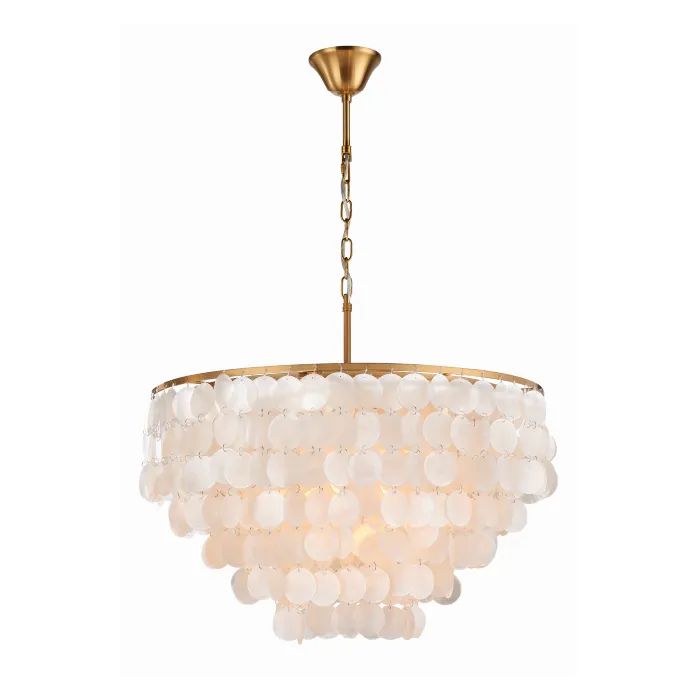
A Tiered Seashell Chandelier is more than a lighting fixture—it is a sculptural statement that brings coastal warmth and organic texture into a room. Yet the beauty of the shells and the quality of the light depend heavily on the bulbs you choose. At Sunon, we have spent years designing and manufacturing decorative lighting, and we know that the right bulb can transform a Tiered Seashell Chandelier from merely attractive into truly captivating. This guide explains the technical considerations, compares bulb types, and answers the questions homeowners ask most often.
Why Bulb Selection Matters for a Tiered Seashell Chandelier
Shells are translucent, layered materials. They diffuse light gently but can also cast shadows if the light source is too harsh or too directional. The goal is soft, even illumination that highlights the natural iridescence of each shell without creating glare. Color temperature, lumen output, dimmability, and heat generation all play a role—and so does the fixture's socket design. Sunon engineers each Tiered Seashell Chandelier with compatible sockets and recommended wattage ranges, which makes bulb selection straightforward when you follow the specifications.
Key Selection Criteria
-
Color Temperature: 2700K–3000K warm white enhances the creamy tones of natural shells. Cool white (4000K+) can make shells look washed out.
-
Lumens: 400–800 lumens per socket is typically sufficient for ambient lighting in dining and living spaces.
-
Dimmability: A dimmable bulb paired with a compatible dimmer allows you to shift from bright task lighting to a soft evening glow.
-
Heat Output: LED bulbs run cooler, protecting delicate shell surfaces from long-term heat exposure.
-
Socket Type: Confirm E12 candelabra or E26 medium base before ordering; Sunon product pages list the exact socket for every model.
Bulb Type Comparison
| Bulb Type | Heat Output | Dimmability | Color Accuracy | Best Use with a Tiered Seashell Chandelier |
|---|---|---|---|---|
| LED (filament style) | Very low | Excellent | High (CRI 90+) | Everyday ambient lighting; coolest and most efficient |
| Incandescent | High | Excellent | Excellent | Vintage look, but heat may stress shells over time |
| Halogen | High | Good | Excellent | Bright accent lighting; use sparingly |
| CFL | Low–moderate | Fair | Moderate | Budget option; slower warm-up, less flattering |
| Smart LED | Very low | Excellent | High | Adjustable scenes and scheduling for coastal interiors |
Recommended Specifications at a Glance
| Parameter | Recommended Range | Notes |
|---|---|---|
| Color temperature | 2700K–3000K | Warm white flatters natural shell tones |
| Lumens per socket | 400–800 lm | Adjust for room size and ceiling height |
| CRI | 90+ | Renders shell colors accurately |
| Wattage (LED equivalent) | 4–8W | Matches 40–60W incandescent output |
| Dimming | 10%–100% | Use a dimmer rated for LED loads |
Installation and Safety Tips
Always switch off power at the breaker before changing bulbs. Allow incandescent or halogen bulbs to cool completely, since heat near shell tiers can cause discoloration. Tighten bulbs snugly but avoid over-torquing, which can crack sockets. If your Tiered Seashell Chandelier is on a dimmer circuit, verify that both the bulbs and the dimmer are LED-compatible to prevent flicker. Sunon recommends testing one bulb at a time after installation to confirm even output across all tiers.
Frequently Asked Questions
Can I use LED bulbs in a Tiered Seashell Chandelier? Yes—LED bulbs are the best choice because they run cool, last for years, and are available in warm 2700K–3000K tones with high CRI that bring out the natural luster of the shells.
How many lumens does a Tiered Seashell Chandelier need? Aim for 400–800 lumens per socket, adjusting upward for larger rooms or higher ceilings; a dimmer lets you fine-tune brightness for dining, relaxing, or entertaining.
Do I need special bulbs for a dimmable Tiered Seashell Chandelier? Use dimmable LED bulbs and a dimmer rated for LED loads; this combination prevents flicker and buzzing while preserving smooth, gradual dimming across the full range.
What color temperature looks best with natural shells? Warm white between 2700K and 3000K is ideal, as it enhances the creamy, sandy tones of the shells without the harsh, clinical look of cooler temperatures.
How often should bulbs be replaced? Replace bulbs when output dims noticeably or color shifts; with quality LEDs rated for 15,000–25,000 hours, most households will change bulbs only every several years.
Contact Us
Ready to elevate your coastal interior with a beautifully engineered Tiered Seashell Chandelier? Sunon's lighting specialists can help you match the right fixture, socket type, and bulb specifications to your space. Contact us today for product recommendations, bulk pricing, and expert guidance—our team will help you create warm, inviting light that showcases every shell to perfection.