
Why Are UV Lamps Revolutionizing Modern Disinfection?
2025-10-23
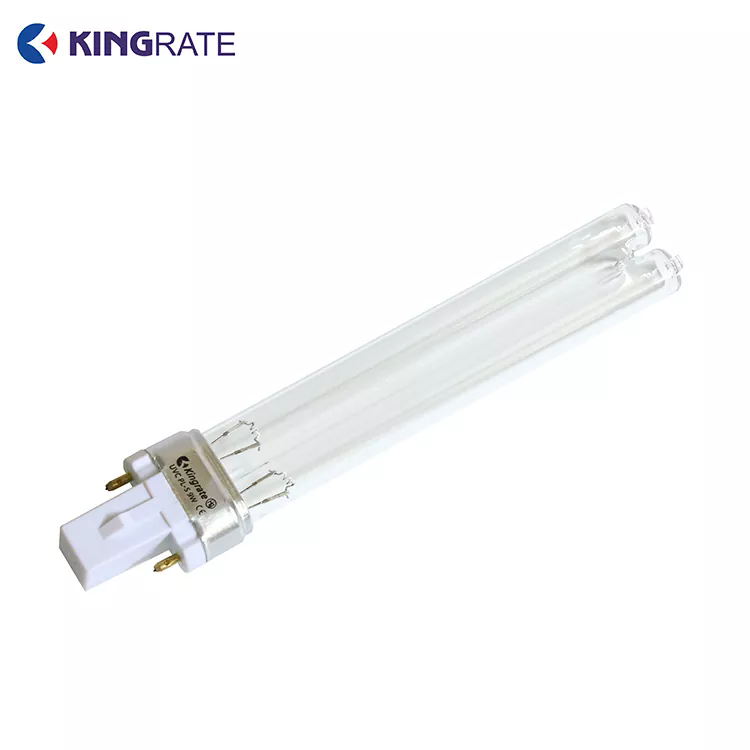
A UV lamp, also known as an ultraviolet lamp, is a device that emits ultraviolet radiation to sterilize air, water, and surfaces or to initiate photochemical reactions in various industrial processes. The lamp operates by generating UV-C light, typically in the wavelength range of 200 to 280 nanometers, which has the power to disrupt the DNA or RNA of microorganisms—rendering them inactive and unable to reproduce.
Ultraviolet technology has evolved over decades, and today’s UV lamps are used in hospitals, laboratories, air purification systems, wastewater treatment plants, and even in consumer electronics manufacturing. Their efficiency, eco-friendliness, and chemical-free operation have made UV lamps a cornerstone of modern sterilization technology.
Core Technical Parameters of UV Lamps:
| Parameter | Specification Range | Description |
|---|---|---|
| Type | Low-pressure mercury, Medium-pressure mercury, LED UV | Different applications based on required intensity and wavelength. |
| Wavelength Range | 200–280 nm (UV-C), 315–400 nm (UV-A/B) | UV-C is most effective for disinfection. |
| Power Output | 4W – 1200W | Determined by lamp size and intended use. |
| Material | Quartz glass / Borosilicate | High UV transmission and temperature resistance. |
| Lifespan | 8,000 – 12,000 hours | Depending on lamp type and operational conditions. |
| Startup Time | <5 seconds | Quick activation for immediate UV output. |
| Operating Temperature | -10°C to 50°C | Stable performance under varying environments. |
| Safety Features | Ozone-free design, protective coating | Prevents ozone release and UV exposure risks. |
The underlying technology varies by lamp type. Low-pressure mercury lamps emit a stable UV-C wavelength of 253.7 nm and are widely used in disinfection. Medium-pressure lamps provide a broad UV spectrum suitable for industrial curing and chemical processing. Meanwhile, UV LED lamps—a more recent innovation—offer energy efficiency, compact size, and mercury-free operation.
In essence, UV lamps convert electrical energy into germicidal UV radiation, a process that achieves sterilization without heat, chemicals, or harmful residues.
Why Are UV Lamps Becoming an Industry Standard for Disinfection?
The global emphasis on hygiene, environmental protection, and energy efficiency has accelerated the adoption of UV lamps across multiple sectors. Compared with traditional cleaning and sterilization methods, UV technology stands out for its speed, safety, and sustainability.
Key Advantages of UV Lamps:
-
Chemical-Free Sterilization: Eliminates bacteria, viruses, and molds without using harmful chemicals or producing toxic residues.
-
Fast and Effective Action: Achieves up to 99.9% sterilization in seconds, significantly reducing contamination risk.
-
Low Maintenance and Cost Efficiency: Requires minimal replacement parts and no consumables, lowering long-term costs.
-
Eco-Friendly Performance: No chemical runoff, no ozone production (in ozone-free types), and minimal energy consumption.
-
Broad Application Range: From medical equipment and HVAC systems to aquaculture, water purification, and industrial coating.
Why the Industry Is Transitioning to UV LED Technology
In recent years, UV LED lamps have emerged as a future-forward choice, offering longer lifespan, instant start-up, and lower power consumption. With the absence of mercury, UV LEDs also meet global environmental directives such as RoHS and REACH. Their compact design allows integration into portable sterilization devices, consumer electronics, and robotic disinfection systems.
Moreover, with global concerns about infectious diseases and air quality, UV lamps are becoming a standard installation in smart buildings, healthcare facilities, and public transportation systems. This shift reflects the broader trend toward contactless sterilization technologies that support safer and more sustainable environments.
How Are UV Lamps Shaping Future Applications and Market Trends?
The future of UV lamp technology lies in its integration with automation, IoT, and renewable energy systems. The next decade is expected to witness rapid advancements in three major areas: smart control, material innovation, and application diversification.
Emerging Trends and Innovations in UV Lamp Technology:
-
Smart UV Systems: Integration with IoT and AI sensors enables automatic operation based on real-time contamination levels, reducing energy waste.
-
Advanced UV-C LEDs: Ongoing research is enhancing the power and wavelength stability of UV-C LEDs, expanding their commercial viability.
-
Hybrid UV Systems: Combining UV lamps with HEPA filtration or photocatalytic oxidation (PCO) ensures multi-layered air purification.
-
Wearable and Portable UV Devices: The miniaturization of UV components allows personal disinfection tools for travel and healthcare.
-
Sustainability-Driven Design: Future lamps are expected to adopt mercury-free construction and recyclable quartz materials.
According to market forecasts, the UV disinfection industry is projected to exceed USD 10 billion by 2030, driven by public health demands, water scarcity solutions, and industrial digitization.
Industrial and Commercial Application Highlights:
-
Water Treatment Plants: Sterilization of municipal and industrial wastewater.
-
Food Processing Facilities: Surface and packaging sterilization to ensure food safety.
-
Air Purification Systems: Integrated UV lamps reduce airborne pathogens in enclosed environments.
-
Pharmaceutical Manufacturing: Maintaining sterile production lines to comply with GMP standards.
-
Printing and Coating Industries: UV-curing lamps accelerate ink and adhesive drying, improving productivity.
These applications demonstrate the increasing dependence of modern industries on non-chemical sterilization technologies. UV lamps are no longer viewed as optional accessories but as core components of safety and quality control systems.
Common Questions About UV Lamps
Q1: Are UV lamps safe for human exposure?
A: UV lamps should never be operated in the presence of humans without protective measures. Prolonged exposure to UV-C light can cause skin burns and eye injuries. To ensure safety, most systems are designed with motion sensors, auto shut-off mechanisms, or enclosed chambers. UV disinfection should always occur in controlled environments or with proper shielding.
Q2: How often should UV lamps be replaced?
A: Although UV lamps can last between 8,000 to 12,000 hours, their germicidal output gradually decreases over time. It is recommended to replace the lamp every 9 to 12 months in continuous-use systems to maintain optimal disinfection efficiency. Regular cleaning of the quartz sleeve and verification of UV intensity are also essential for consistent performance.
The Future of UV Lamps with Kingrate
UV lamp technology has transcended its traditional applications to become a vital enabler of cleaner, safer, and more sustainable environments. As industries prioritize hygiene and efficiency, UV lamps are at the forefront of innovation—bridging the gap between eco-conscious engineering and public health safety.
Kingrate, a trusted name in precision lighting and disinfection technology, continues to lead in UV lamp development with a focus on durability, high-intensity output, and environmental responsibility. Each Kingrate UV lamp is designed to deliver maximum sterilization efficiency while ensuring energy savings and long operational life.
For customized UV solutions tailored to your business or facility, contact us to learn how Kingrate can help optimize your disinfection systems and meet future safety standards.